Firearm Registration Offences Lawyer Brampton
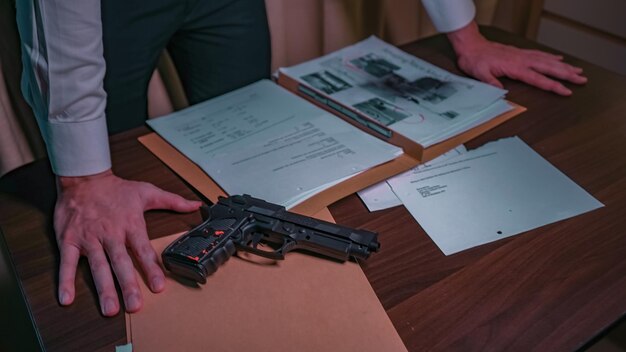
Charged With a Firearm Registration Offence in Brampton?
Firearm registration laws are technical, unforgiving, and often misunderstood. A simple oversight—an expired certificate, a missed address update, or an inherited firearm—can quickly turn into a criminal charge with serious consequences. With over 10 years of defending firearm-related offences in Brampton, I know exactly how to navigate these cases from the very first moment you reach out.
Call me now for a confidential consultation: (437) 998-1429
Penalties and Consequences if Convicted
Firearm registration offences may start as administrative issues, but the penalties are criminal and can have long-lasting effects. Here’s what you’re realistically facing if convicted:
- Criminal record that affects work, reputation, and licensing
- Possible jail time, especially with restricted or prohibited firearms
- Firearm prohibition orders (temporary or lifetime)
- Seizure and permanent forfeiture of firearms
- Loss of PAL/RPAL and barriers to future licensing
- Travel restrictions, including problems entering the U.S.
- Immigration consequences for non-citizens

Types of Firearm Registration Offences I Defend
These are the most common registration offences that lead to criminal charges.

1. Possession of an Unregistered Firearm
When a restricted or prohibited firearm isn’t registered to you, police treat it as a serious criminal offence—regardless of how you obtained it.
2. Failure to Renew a Registration Certificate
Missing a renewal notice or letting a certificate expire can lead to charges, even if the lapse was unintentional.
3. Incorrect or Outdated Registration Information
If your address or firearm details aren’t updated in the registry, police can allege a registration violation.
4. Unauthorized Transfer of a Registered Firearm
Giving, lending, or transferring a registered firearm without proper paperwork is treated as an offence.
4. Possession or Use Contrary to Registration Conditions
Breaching any condition tied to the firearm’s registration—storage, transport, or use—can result in charges.
5. Registration Issues Discovered During Police Contact
Many charges arise during traffic stops, domestic calls, or searches where officers check firearms against national databases.
In all of these situations, the Crown’s position is often rigid, and the consequences can be disproportionate. That’s why you need precise, experienced defence from the outset.
Benefits of Hiring a Defence Lawyer Immediately
Delays are dangerous in firearm registration cases. The longer you wait, the more opportunities the Crown has to strengthen the file and restrict your rights.
Consider the following risks that arise before you ever walk into court:
- Police may seize every firearm you own, not just the one in question.
- Your PAL/RPAL can be suspended or revoked while the case develops.
- Statements you give out of frustration or confusion can damage your defence.
- Administrative problems can evolve into more serious firearms charges.
I intervene early to stop these consequences from snowballing. My role is to control the narrative, manage interactions with investigators, and protect your licensing privileges from the outset.

How Police Investigate Registration-Related Offences
Police treat registration issues seriously, and most cases begin long before charges are laid. Here’s how these investigations typically unfold:
1. Database Checks (CFO/CFIS/CPIC)
Officers run the firearm’s serial number and your licensing information against national firearms databases.
2. Traffic Stops & Domestic Calls
Many clients are charged after routine interactions where police ask about firearms in the home or vehicle.
3. Storage & Compliance Inspections
If police attend your residence for any reason, they often check storage conditions and registration details.
4. Search Warrants
In some cases, officers obtain warrants to seize firearms when they believe there are registration or licensing issues.
5. Interviews & Statements
Police may ask you to “clarify” registration details—these conversations often create evidence against you.
Understanding how these investigations start helps me identify weaknesses in the Crown’s case early on.
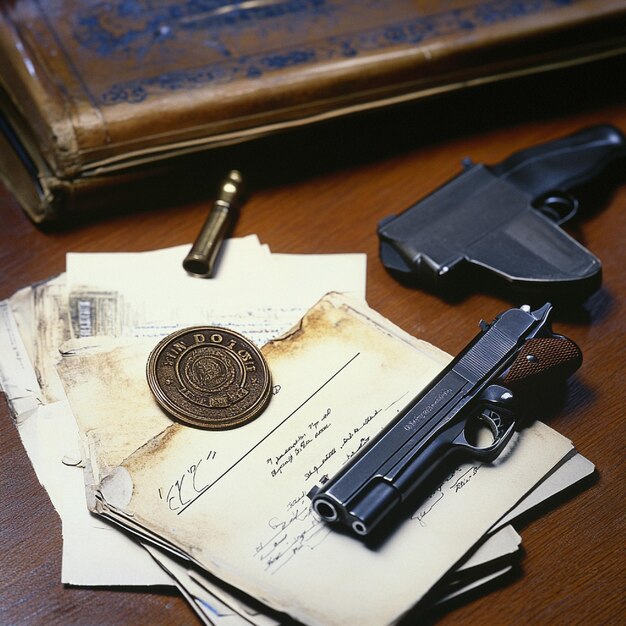
Defence Strategies I Use in Firearm Registration Cases
- Challenging the legality of the search or seizure
- If police overstepped their authority, the firearm evidence may be excluded.
- Proving lawful possession or reasonable belief in compliance
- Many clients genuinely believed they were registered and compliant.
- Exposing administrative or clerical errors
- Registration lapses often result from government mistakes or outdated records.
- Attacking gaps in the Crown’s evidence
- Incomplete ownership records, mismatched serial numbers, or missing documents can undermine the case.
- Charter challenges (s. 8, s. 9, s. 10(b))
- I scrutinize every aspect of police conduct for breaches that can lead to dismissals.
- Negotiating withdrawals or regulatory resolutions
- Many cases can be resolved without a criminal conviction when approached strategically.
Benefits of Hiring a Defence Lawyer Immediately
Delays are dangerous in firearm registration cases. The longer you wait, the more opportunities the Crown has to strengthen the file and restrict your rights.
Consider the following risks that arise before you ever walk into court:
- Police may seize every firearm you own, not just the one in question.
- Your PAL/RPAL can be suspended or revoked while the case develops.
- Statements you give out of frustration or confusion can damage your defence.
- Administrative problems can evolve into more serious firearms charges.
I intervene early to stop these consequences from snowballing. My role is to control the narrative, manage interactions with investigators, and protect your licensing privileges from the outset.
What to Do Immediately If You’re Charged or Under Investigation
If police contact you about the registration status of a firearm, take it seriously. Registration offences may sound administrative, but the consequences are criminal—and the wrong move at the start can make your situation significantly worse.
Here is the sequence I recommend following:
Step 1: Stop all communication with the police.
Step 2: Do not attempt to “update” or fix registration documents.
Step 3: Avoid voluntarily providing firearms, documents, or passwords.
Step 4: Call me so I can take control of the communication and the legal strategy.
A step-based breakdown provides the structural change you requested.
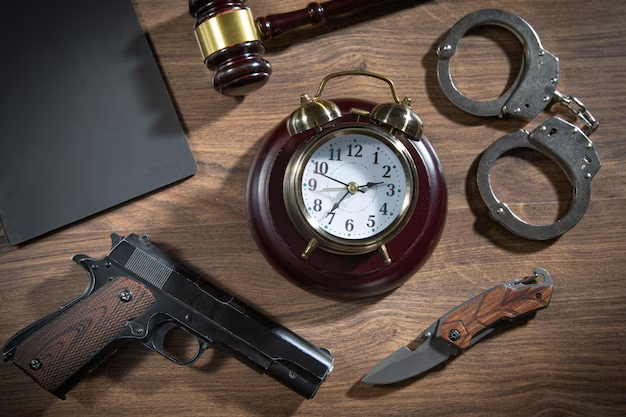
Why Clients Choose Me for Firearm Registration Offences
Clients who face registration charges typically want two things:

(1) to avoid a criminal record, and
(2) to preserve their ability to own firearms in the future legally.
My practice is built around those priorities.
I’ve spent more than a decade defending firearm-related allegations in Brampton, including cases where the issue began as a simple administrative lapse. I work directly with every client—no assistants, no junior lawyers—and I bring a detailed understanding of how the Crown, local police services, and the Chief Firearms Office interpret registration problems.
Most importantly, I understand the difference between intentional wrongdoing and genuine oversight, and I build my defence on clearly showing that distinction.
This section takes a narrative, credibility-driven style—no lists.
Common Situations I Handle
Below is a varied format using short scenario snippets instead of bullets or lists:
- Expired registration certificate
- Address not updated after moving
- Inherited firearm without completed transfer
- Firearm seized during a routine police call
- Registry details not matching the firearm
- Missed renewal notices
- Administrative errors by the firearms registry
- PAL/RPAL misunderstandings about what needs to be registered
These real-world scenarios help readers recognize themselves without falling into repetitive formatting.
Take Control of Your Case Before It’s Too Late
If you’re dealing with a firearm registration issue, timing matters. These cases move quickly, and the longer you wait, the more complicated the consequences become. Whether the problem started with an expired certificate, a missed notice, or a misunderstanding about what needed to be registered, I can step in immediately and protect your rights.
For confidential legal advice and a clear plan forward, contact me directly at (437) 998-1429.

Frequently Asked Questions
No. Only restricted and prohibited firearms require registration. Non-restricted firearms do not.
Not once are police involved. Any attempt to “correct” paperwork may be used against you.
Yes. A single registration issue often leads to the seizure of every firearm in the home.
In most cases, yes. Police usually treat an expired certificate as non-compliant.
It depends on the allegation, but many clients face immediate suspension or review.
Yes. Administrative errors, Charter breaches, or weak evidence can result in withdrawals or non-criminal outcomes.