Refuse To Provide Breath Sample
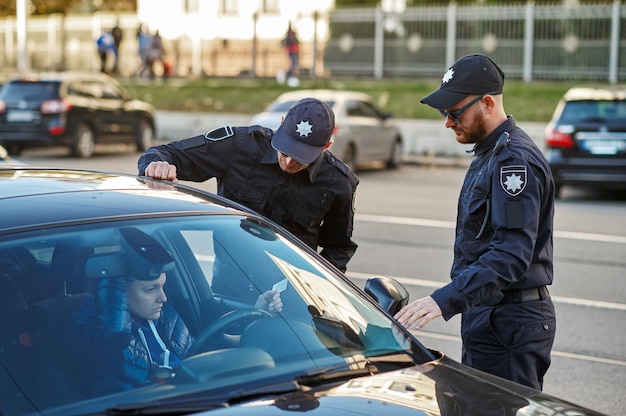
Refuse to Provide Breath Sample Charges Demand an Immediate Defence
Suppose you have been accused of refusing or failing to provide a breath sample in Brampton. In that case, you are facing one of the most serious impaired driving-related offences under the Criminal Code. As a criminal defence lawyer with more than 10 years of experience defending DUI, Over 80, and refusal charges, I understand the high stakes you are dealing with: the loss of your licence, a criminal record, and long-term consequences that can affect your career, insurance, and freedom.
If you need immediate help, contact me directly at (437) 998-1429 for a confidential consultation.
Understanding Refuse to Provide Breath Sample Charges
Refusing to provide a breath sample is treated by the courts just as seriously—if not more seriously—than blowing over the legal limit (Over 80). The law imposes a duty on drivers to comply with a lawful demand made by a police officer for a breath sample, whether at the roadside or back at the station on an approved instrument.
What the Law Says
Under the Criminal Code, you commit an offence if you intentionally refuse or fail to comply with a valid breath demand. This includes:
- Refusing a roadside Approved Screening Device (ASD) test
- Failing to provide an adequate breath sample
- Declining or ignoring a demand at the police station
Pretending to blow or providing insufficient breath on purpose
When Police Can Demand a Breath Sample
Police may legally request a breath sample in several circumstances:
- Mandatory alcohol screening during a lawful traffic stop
- Reasonable suspicion that alcohol is in your body
- Reasonable grounds to believe you are impaired
Following a collision or roadside investigation
Roadside vs. Station Breath Tests
There is a significant difference between the initial roadside ASD test and the evidentiary test at the police station:
- A roadside test screens for the presence of alcohol
- The police station test provides the formal evidentiary readings used in court
- Refusing either demand can result in criminal charges
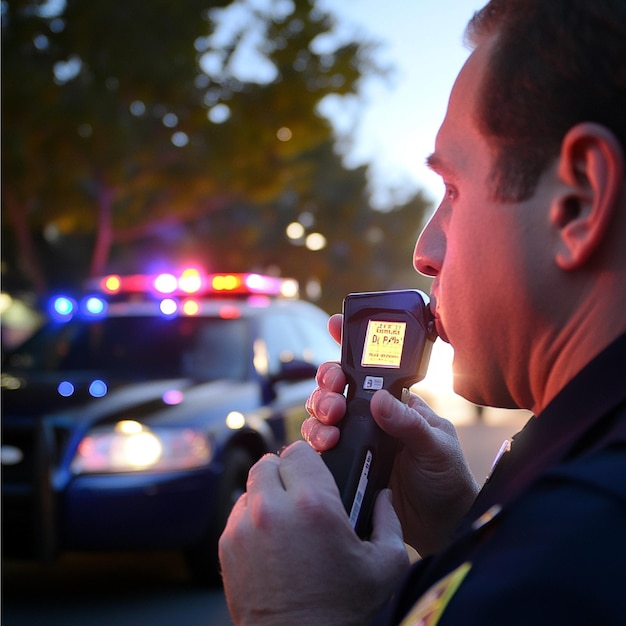
Penalties for Refusing to Provide a Breath Sample in Ontario
Refusal charges carry mandatory penalties that are often harsher than those for an Over 80 conviction.
Criminal Penalties
- A mandatory minimum fine, higher than a first-time Over 80 offence
- A mandatory criminal record
- Potential jail for repeat offenders
Probation orders and court-imposed conditions
Provincial Penalties
- Immediate 90-day roadside licence suspension
- Seven-day vehicle impoundment
- One-year mandatory ignition interlock (minimum)
Mandatory education and treatment programs (Back on Track)
Long-Term Consequences
- Major increases in insurance premiums (high-risk category)
- Possible denial of employment for jobs requiring driving or security checks
- Barriers to U.S. and international travel
Reputational harm and ongoing stress
Common Police Mistakes That Strengthen Your Defence
Not every refusal charge is valid, and many are based on procedural errors, poor communication, or unlawful demands.
Unlawful or Unreasonable Breath Demand
A breath demand must comply with strict legal requirements. Defences may arise if the officer:
- Lacked reasonable suspicion when required
- Failed to comply with mandatory screening rules
Used an unapproved or malfunctioning device
Improper Communication of Instructions
Many refusal cases involve a simple misunderstanding. You may have been:
- Confused by unclear instructions
- Dealing with a language barrier
- Struggling due to stress or panic
Given inconsistent or incorrect information
Failure to Advise Charter Rights
You have the right to consult a lawyer without delay. If police:
- Did not inform you of this right
- Delayed or obstructed access to counsel
- Continued questioning without counsel
Your Charter rights may have been violated.
Procedural Errors
- Excessive delays between the demand and the attempted sample
- Lack of proper testing procedure
- Poor device calibration or maintenance
These errors often result in evidence being excluded or charges being withdrawn.
Defences for Refusing to Provide a Breath Sample
A strong defence strategy requires understanding what truly happened during the interaction with the police. I analyze all details to identify the most effective defence.
You Did Not Understand the Demand
Miscommunication is common and can form a strong defence when:
- English is not your first language
- Instructions were unclear
- You were not told what was required
You did not understand the consequences of refusal
Charter Rights Violations
Violations of your constitutional rights can lead to the exclusion of all evidence. Defences include:
- Denial of the right to counsel
- Unreasonable detention
Breach of search and seizure protections
You Tried, But Could Not Provide a Sample
Medical conditions can prevent someone from producing an adequate breath sample, such as:
- Asthma
- COPD or respiratory disorders
- Anxiety or panic attacks
- Lung capacity limitations
If the attempt was genuine, the law may excuse the failure.
The Breath Demand Was Not Lawful
A breath demand is invalid when:
- The stop was arbitrary
- The officer lacked legal grounds
- Mandatory alcohol screening was misapplied
- You were detained without cause
An unlawful demand cannot lead to a conviction.
How I Defend Refusal Charges in Brampton
With over a decade of experience defending DUI-related charges, I rely on precise legal analysis and aggressive courtroom advocacy. My defence strategy includes:
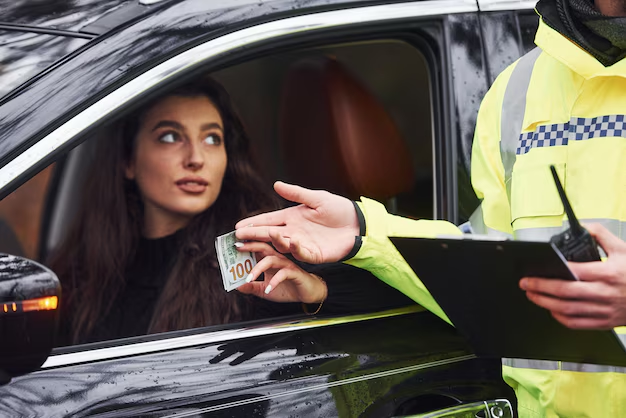
Reviewing police notes, video evidence, and breath room recordings
- Challenging the lawfulness of the stop and demand
- Identifying failures to advise your rights properly
- Demonstrating genuine attempts to comply
- Challenging the credibility of the officer’s version of events
- Negotiating for withdrawal or reduced charges when appropriate
My goal is always the same: protecting your licence, record, and future.
What You Should Do Immediately After Being Charged
- Do not provide additional statements to the police or anyone else
- Document everything you remember while it’s fresh
- Note any health issues that could have affected the test
- Avoid discussing your case with friends, family, or online
- Contact a criminal defence lawyer immediately
Timing matters in DUI and refusal cases. Early action strengthens your defence.
Why Choose Me as Your Refusal to Provide Breath Sample Lawyer
- I have more than 10 years of focused experience defending DUI and refusal charges
- I work directly with every client—your case is never handed off to juniors
- I know how to challenge the technical and procedural elements of breath demands
- I provide honest, strategic advice tailored to your situation
- I fight to minimize penalties, protect your record, and secure the best outcome
Your case deserves precision, thoroughness, and a defence built on experience.
Contact Me for Immediate Help
If you have been charged with refusing to provide a breath sample, time is critical. Contact me directly at (437) 998-1429 for a confidential consultation. I will assess your case, explain your options, and begin building a defence that protects your freedom and your future.
Frequently Asked Questions
Yes. The penalties for a refusal conviction are often higher, including increased minimum fines and longer licence suspensions.
If you genuinely tried but were medically unable to comply, this can be a strong defence.
You face an immediate 90-day suspension and a minimum one-year suspension if convicted.
In some cases, yes—especially where procedural issues exist.
Yes. Many cases collapse due to unlawful demands, communication issues, or Charter rights violations.
You have the right to consult counsel before providing an evidentiary breath sample at the station, but not necessarily at the roadside.
Yes. A conviction results in a permanent criminal record unless the charge is withdrawn, dismissed, or reduced.
Yes. You will be classified as a high-risk driver and face extremely high premiums.