Importing of Drugs Defence Lawyer Brampton, ON

Investigated for Importing Drugs? Don't Face CBSA or Police Alone
Facing an importation allegation is one of the most serious drug-related situations you can be in—get legal defence immediately.
If you're being investigated or have been charged with importing drugs into Canada, the stakes could not be higher. Border cases move quickly, prosecutors pursue significant jail time, and a single package or airport interception can change your life. With over 10 years of experience defending complex drug offences in Brampton, I know how to intervene early, challenge the evidence, and protect your freedom from the very first step.
What "Importing Drugs" Means Under Canadian Law
Importing drugs is one of the most aggressively prosecuted offences under the Controlled Drugs and Substances Act (CDSA). It involves bringing any controlled substance into Canada—whether through the airport, the border, courier packages, or international mail. Unlike simple possession or even trafficking, importation triggers some of the harshest sentencing ranges and draws immediate attention from CBSA, RCMP, and federal Crown prosecutors.
How These Charges Typically Arise
Most importation cases begin with:
- Border searches at Pearson Airport
- Mail and courier interceptions involving CBSA and Canada Post
- Controlled deliveries followed by a coordinated arrest
- International surveillance linked to package routing.
- Vehicle searches at land border crossings
In many cases, the allegation is built on assumptions—knowledge, intent, or identity—rather than direct evidence. My job is to dismantle those assumptions.
Penalties for Importing Drugs in Canada
Importing drugs is treated as a serious, indictable offence with life-altering consequences. Even first-time offenders face significant exposure.
- Lengthy penitentiary sentences depending on drug type and quantity
- Mandatory minimums in certain circumstances
- Aggravating factors, including organized crime allegations, prior convictions, or international coordination
- Permanent criminal record, affecting employment and licensing
- Severe immigration consequences, including removals or inadmissibility
- Lifetime travel restrictions, especially entry bans to the United States
The Crown often seeks jail even when the accused has no prior record. Early defence work is crucial to limiting or avoiding these penalties.

How I Defend the Charges of Importing Drugs Charges
When you're accused of importing narcotics into Canada, you need a defence built around precision, timing, and aggressive evidence analysis. Every importation case has vulnerabilities, and I focus on exposing them as early as possible.

Key Defence Strategies I Use
- Challenging unlawful search and seizure at airports or border checkpoints
- Attacking knowledge and intent, especially in package-based cases
- Exposing errors in CBSA screening, X-ray analysis, or courier tracking
- Identifying Charter breaches, including detention issues or rights violations
- Breaking down controlled delivery procedures that do not meet legal standards
- Scrutinizing surveillance, interviews, and international information-sharing
Common Situations That Lead to Importation Charges
Importation allegations often involve assumptions—about intent, knowledge, or identity. Many individuals are charged simply because their address appeared on a package or they were present during a delivery.
Here are situations I frequently see in Brampton importation cases:
- Packages addressed to you without your knowledge
- Someone else is using your home or mailbox
- Airport searches during international travel
- Controlled deliveries after a parcel seizure
- Friends or partners involving you without full disclosure
- Personal luggage flagged during customs inspection
- Cross-border trips where passengers or items raise suspicion
If any of these sound familiar, you must speak with me before answering questions or making statements to law enforcement.

Why Choose Me as Your Importing of Drugs Defence Lawyer
Importation charges move fast, involve multiple agencies, and require strategic intervention from the very beginning. You need a lawyer who understands CBSA procedures, RCMP investigative methods, and the complex disclosure requirements in border-related drug cases.

When you're facing life-changing consequences, you deserve personal, dedicated, and strategic representation.
Why are the charges for Importing Drugs treated So Seriously
Importation offences fall under some of the harshest provisions of the Controlled Drugs and Substances Act (CDSA). The federal Crown views these cases as threats to public safety, often assuming organized distribution or cross-border criminal networks even when no such evidence exists.
Key Reasons for Severe Prosecution
Understanding how the Crown frames these allegations allows me to build a targeted defence that challenges those assumptions from the outset.

Your Rights During Border Questioning or Detention
Border environments create confusion about what you must do and what you are allowed to refuse. Many individuals unknowingly incriminate themselves because they believe they have fewer rights at the border.
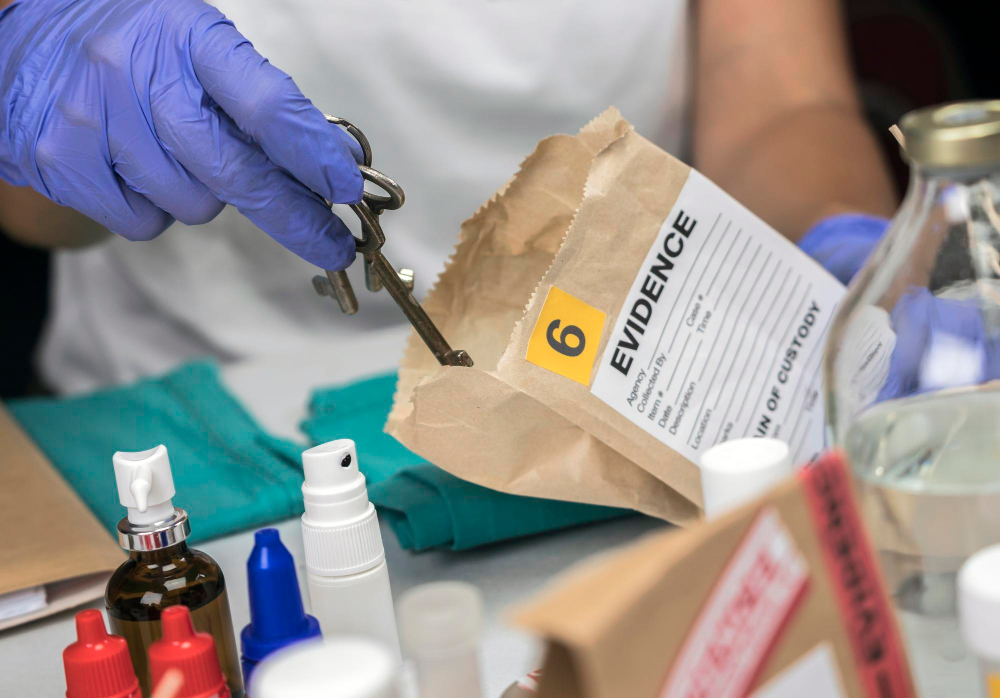
Border questioning is often the basis of the Crown's entire case. Any invalid search, improper detention, or violation of your Charter rights can lead to evidence being excluded. I analyze each step of the CBSA process to identify these issues and use them to weaken the prosecution's case.
What Happens After a Drug Seizure?
Throughout this process, mistakes happen. My focus is on exposing procedural flaws, unlawful detentions, and any breach of your Charter rights.
CBSA & RCMP Investigations: What You Should Know
Most importation cases start with:
Once CBSA suspects a package contains controlled substances, the file often moves to the RCMP Federal Serious and Organized Crime (FSOC) unit.

Contact Me Today for Immediate Legal Defence
If you've been charged with importing drugs, or if CBSA/RCMP have contacted you, the decisions you make in these early moments can determine the outcome of your entire case. Evidence is collected quickly, interviews are recorded, and mistakes made at the border can be difficult to undo without legal guidance.
With over 10 years of defending clients in Brampton against serious drug offences, I know exactly how to intervene, challenge unlawful procedures, and protect your rights before the situation escalates.
Call me now at (437) 998-1429 for a confidential consultation. I'm ready to defend you.
Frequently Asked Questions
Yes. Knowledge is a key element the Crown must prove, but they often rely on circumstantial evidence such as package tracking, your address, or communication records. A major part of my defence in these cases involves challenging whether you actually knew or intended to import anything illegal.
CBSA has broader search powers at the border, but those powers still have limits. If a search is overly intrusive or your detention becomes investigative without proper rights given, that can amount to a Charter breach. Challenging these actions can lead to evidence being excluded.
In many cases, yes. If the evidence supporting "importation" is weak or there are Charter violations, the Crown may agree to reduce the charge. I negotiate aggressively based on the legal issues in your case and push for the best possible outcome.
These cases often involve CBSA reports, RCMP surveillance, forensic testing, and international documentation. As a result, they typically take several months to over a year. I work to push disclosure, identify Charter issues early, and move your case toward resolution as efficiently as possible.
In a controlled delivery, the RCMP allows a seized package to be delivered to its destination under surveillance. Once someone accepts or opens the package, officers move in to make an arrest. These operations are often flawed, and I examine every step—surveillance, timing, and identification—to expose weaknesses.
Importing drugs is one of the most serious offences under the CDSA, and the Crown often seeks jail. Factors like the type of drug, quantity, and any alleged organized activity play a large role. My goal is to avoid or reduce jail time by challenging the Crown's evidence and exposing legal issues in the investigation.
No. You are not required to answer investigative questions once you are detained or suspected of an offence. Anything you say can be used against you. I advise clients to remain silent until they have spoken with me directly.
Do not answer questions, do not consent to an interview, and do not meet with officers without legal representation. Call me immediately. Early legal advice can prevent damaging statements and protect you before charges are even laid.