Controlled Drugs and Substances Act Charge Lawyer

Charged Under the Controlled Drugs and Substances Act in Brampton? I’m Ready to Defend You.
If you’ve been accused of a CDSA offence, the consequences can be life-altering. With over 10 years of experience defending drug-related charges in Brampton, I know exactly how to challenge unlawful searches, protect your rights, and build a strong defence from day one.
Every CDSA case requires precision, strategy, and immediate action. You’ll work directly with me—no associates, no layers of staff—so your defence is in the hands of an experienced criminal lawyer from the very beginning.
Request a Confidential Consultation
What the Controlled Drugs and Substances Act Is
The Controlled Drugs and Substances Act governs how Canada regulates, controls, and prosecutes offences involving drugs and controlled substances. It covers everything from simple possession to trafficking, production, importing, and prescription-related offences.
If you are charged under the CDSA, the Crown must prove specific elements such as possession, control, knowledge, intent, and, in some cases, commercial purpose. These cases often rely heavily on police search powers, confidential informants, surveillance, digital evidence, and forensic drug analysis. A strong defence requires challenging each step of the investigation.
How CDSA Classifies Controlled Substances (Schedules I–VIII)
The Act separates substances into schedules:
- Schedule I: Cocaine, heroin, fentanyl, opioids
- Schedule II: Cannabis (historically – mostly repealed but still relevant in older matters)
- Schedule III: LSD, psilocybin, amphetamines
- Schedule IV: Benzodiazepines
- Schedules V–VIII: Precursors and chemical agents used in drug production
The substance's schedule affects penalties, bail considerations, and the Crown's level of aggressiveness.

Common Charges Laid Under the CDSA
I regularly defend clients facing charges such as:
Drug Possession
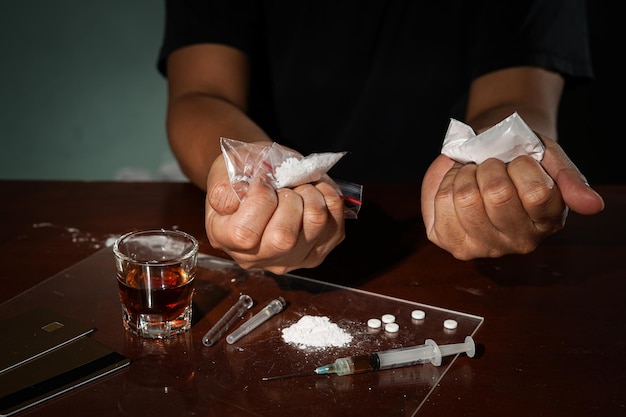
Allegations involving any controlled substance, including opioids, cocaine, heroin, methamphetamine, or prescription medication.
Drug Trafficking
Includes selling, giving, transporting, or even offering to provide controlled substances.
Possession for Trafficking
Police may rely on quantity, packaging, cash, or text messages to allege intent to traffic in drugs.
Drug Production
Covers cultivation, synthesis, or manufacturing of illegal substances or precursors.
Importing / Exporting Drugs
Often linked to border stops, airport screenings, mail inspections, and international investigations.
Proceeds of Crime
Money or property alleged to have been obtained through drug-related activities.
Double Doctoring
Obtaining prescription drugs fraudulently or using multiple doctors/pharmacies to acquire controlled substances.
Common Charges Laid Under the CDSA
Mandatory Minimums (Where Applicable)
Some CDSA offences—particularly trafficking or production of Schedule I substances—carry mandatory jail sentences depending on the circumstances.
Sentencing Ranges
Penalties can range from fines and diversion programs to lengthy federal penitentiary sentences, depending on the substance, schedule, and type of charge.
Federal vs. Provincial Prosecution
Most serious CDSA offences are prosecuted by the Public Prosecution Service of Canada, which typically adopts a stricter approach.
Aggravating Factors
Penalties increase significantly when:
- The offence is linked to organized crime
- Weapons or violence are involved
- The offence occurs near schools or public places
The substance quantity is substantial
Long-Term Consequences of a CDSA Conviction
A conviction may lead to:
- Jail time
- A lifelong criminal record
- Travel restrictions (especially to the U.S.)
- Difficulty securing employment or professional licensing
Immigration consequences for non-citizens
How I Defend CDSA Charges
I assess every detail of your case to determine the strongest defence strategy. My approach often includes:
Challenging Search and Seizure (Charter Violations)
Many drug prosecutions rely on warrant-based or warrantless searches. If police violated your Charter rights, evidence can be excluded.
Contesting Possession, Knowledge, and Control
The Crown must prove you knew about the substance and had control over it—something often misunderstood in shared spaces, vehicles, or residences.
Challenging Intent to Traffic
Possession does not automatically mean trafficking. I analyze digital evidence, packaging, money, and other factors on which the Crown relies.
Entrapment and Undercover Operations
If the police induced an offence or acted improperly, the case may be dismissed.
Drug Quantity, Purity, and Forensics
Lab analysis, contamination, and chain-of-custody issues can create significant reasonable doubt.
Excluding Evidence Due to Charter Breaches
If police overstepped their authority, I would file applications to exclude key evidence.
Negotiation, Diversion, and Withdrawals
Where appropriate, I pursue resolutions that avoid a criminal record or reduce charges.
Your Rights When Charged Under the CDSA
Right to Remain Silent
You do not have to answer police questions—anything you say can be used against you.
Right to Counsel
You can speak to a lawyer immediately, and the police must respect this right.
Right Against Unreasonable Search and Seizure
Improper searches often become the foundation of a strong defence strategy.
Right to a Fair Trial
You are presumed innocent unless the Crown proves otherwise.

What to Do Immediately After an Arrest
Remain calm
- Do not discuss the case with the police
- Request a lawyer immediately
- Avoid making statements
Avoid consenting to searches
What to Expect in a CDSA Case
Investigation and Arrest
CDSA investigations often involve surveillance, wiretaps, informants, and search warrants.
Bail Hearings
Some drug charges make obtaining bail more challenging; I prepare thoroughly to maximize your chances of release.
Crown Disclosure
I review every report, statement, warrant, and lab analysis for inconsistencies and Charter breaches.
Pre-Trial Meetings and Negotiations
I engage the Crown early to challenge weaknesses in the case.
Trial Process
If your case proceeds to trial, I will build a defence that challenges possession, intent, police conduct, and forensic evidence.
Possible Outcomes
Withdrawal of charges
- Stay of proceedings
- Acquittal
- Reduction of charges
Diversion / alternative measures
Why Choose Navdeep Dhindsa to Defend Your CDSA Case
Over 10 Years of Drug Defence Experience
I have spent more than a decade defending clients against serious drug charges in Brampton.
Deep Understanding of CDSA Procedures
I know the evidentiary requirements, forensic standards, and prosecutorial strategies involved in these cases.
Focused Representation
You work directly with me at every stage—no intermediaries or support staff.
Strategic, Charter-Based Defence
I meticulously examine every step of the police investigation to identify rights violations.
Proven Track Record
I have successfully defended complex drug cases involving trafficking, production, and large-scale investigations.

Charged Under the CDSA? Act Quickly.
CDSA prosecutions move quickly, and early legal intervention can dramatically change the outcome. If you are under investigation or have been charged with any drug-related offence in Brampton, I am here to help.
Request a Confidential Consultation Today
FAQs About the Controlled Drugs and Substances Act (CDSA)
The CDSA is the federal law that regulates controlled substances in Canada, including possession, trafficking, production, and importation. If you're charged under this Act, the Crown must prove very specific legal elements—something I assess carefully in every case.
Yes. If police conducted an unlawful search, failed to respect your right to counsel, or breached your Charter rights in any way, I can bring an application to exclude evidence. Many drug cases hinge on these issues.
Penalties vary widely. Some offences carry fines or diversion options, while others—especially involving Schedule I substances—carry mandatory jail sentences. Sentencing depends on the substance, quantity, purpose, and your criminal history.
The Crown still must prove you knew the drugs were there and had control over them. Proximity alone is not enough. This is a key defence point I often use in CDSA prosecutions.
The most important steps are to stay silent, avoid giving statements, and contact a criminal defence lawyer immediately. Early legal guidance can prevent mistakes that harm your case.
Possession involves having knowledge and control of a substance. Trafficking includes selling, transporting, or even offering drugs. The Crown often alleges trafficking based on packaging, quantity, or text messages—evidence I examine closely.
In some cases, yes. Depending on the charge and circumstances, I may be able to negotiate a withdrawal, diversion, peace bond, or reduced charge that avoids a permanent criminal record.
The schedule (I–VIII) determines the severity of sentencing. Schedule I substances such as cocaine, fentanyl, and heroin result in the harshest penalties. The schedule also guides how aggressively the Crown pursues the case.